
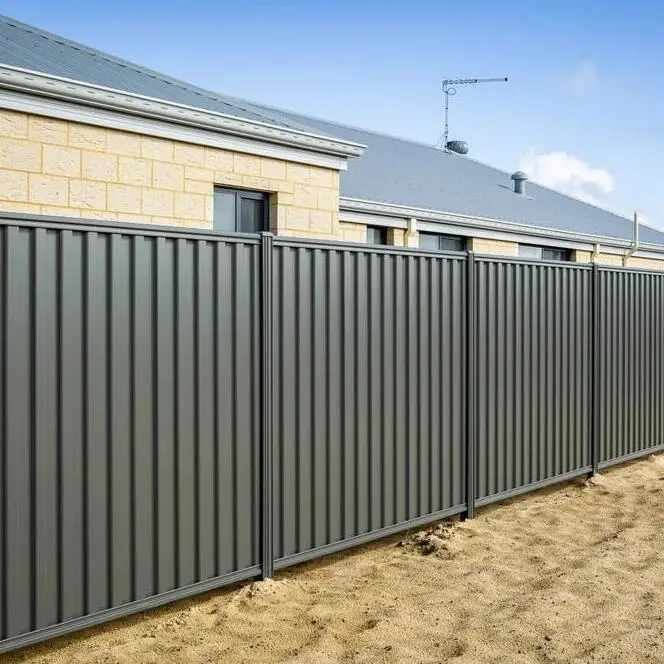
Colorbond vs timber fence installation is the most common choice we talk through with Wagga Wagga homeowners. Both make a solid boundary. Both suit Riverina conditions when they are built well. The right pick depends on how much upkeep you want, the look of your home and what your neighbour is happy with.
Colorbond vs Timber Fence Installation: The Direct Answer
Choose Colorbond steel if you want full privacy with almost no upkeep. Choose timber if you want a warmer, natural look and do not mind staining every few years.
Steel tends to cost more up front than basic pine but less over time. Timber is easier to repair one board at a time and can be any colour you like later.
Quick Comparison
- Privacy: steel is fully solid; lapped timber is close behind; butt-joined timber opens small gaps
- Upkeep: steel needs a wash; timber needs stain or paint every few years
- Heat: dark steel gets hot in summer sun; timber stays cooler to touch
- Repairs: steel sheets swap out; timber palings and rails are easy to replace
- Look: steel is clean and modern; timber suits older and character homes
- Lifespan: both last well when posts are set properly and kept clear of soil
We can show you both on the measure. Call +61 483 709 394 or send the quote form.
Key Considerations When Choosing
Upkeep Over Time
A steel fence comes pre-finished. Hose it down when dust builds up and touch up any deep scratches. That is about it.
Timber is a natural material. In the Riverina's strong summer sun it greys and dries. A stain or paint coat slows that. Plan to recoat every few years, depending on exposure.
Look and Street Appeal
Steel gives a uniform, modern line. It suits new estates and contemporary homes. Timber brings warmth and texture, and it suits older brick or weatherboard homes.
Some owners mix them: steel along the sides and a timber or slat front fence facing the street.
Heat and Gardens
Dark steel panels absorb heat. Plants growing right against them can struggle in a Wagga Wagga summer. Lighter colours help, as does leaving a gap between garden beds and the fence.
Neighbours and Shared Fences
Most steel panels show the same colour on both sides, which avoids the classic argument about who gets the good side. With timber, one side shows the rails, so agree which way they face.
Repairs and Damage
A dented steel sheet can usually be replaced on its own, though older colours may not match perfectly. A broken timber paling or rail is cheap and easy to swap. New timber will look lighter until it weathers or is stained.
Step-by-Step: Making the Decision
Step 1: List Your Priorities
Rank privacy, upkeep, look and budget. Most people find one or two of these matter far more than the rest.
Step 2: Look at the House
Stand on the street and look at your roof, window frames and walls. Steel colours can match a roof or trim. Timber can match a verandah or decking.
Step 3: Think Ten Years Ahead
Add the cost of staining timber over ten years to its upfront price. Compare that with steel. The gap is often smaller than it first looks.
Step 4: Talk to Your Neighbour
If the fence is shared, agree on material and colour together. Under the NSW Dividing Fences Act, a sufficient fence is usually shared. Upgrades beyond that may be paid by the owner who wants them.
Step 5: Get Both Options Quoted
Ask for steel and timber prices on the same measure. Seeing both numbers for your actual boundary makes the decision much easier.
Common Mistakes to Avoid
- Picking the darkest steel colour without thinking about heat on plants
- Choosing butt-joined timber when privacy matters most
- Building garden beds up against either fence
- Skipping the first stain on new timber
- Using untreated or low-rated timber for posts in the ground
- Not checking estate design rules before ordering
The mistake we see most is soil piled against the fence. It rusts the bottom of steel sheets and rots the base of timber palings. Keep a gap and both last far longer.
Local Considerations in Wagga Wagga
Hot Summers and Cold Winters
Wagga Wagga has hot, dry summers and frosty winters. Timber goes through big swings in moisture, which leads to cracking and cupping over time. Steel moves less but heats up more.
Clay Soils
Clay swells and shrinks with the seasons. Whatever fence you choose, posts need proper depth and concrete. A great panel on a weak post still leans.
Wind on Open Ground
Solid fences catch wind, especially on exposed northern rises around Gobbagombalin and Estella. Lapped timber and steel both need well-set posts on open sites.
Older Suburbs and New Estates
In established suburbs such as Turvey Park, Ashmont and Tolland, timber often suits the street. In newer areas such as Boorooma, steel is the common choice.
Which Fence Suits Which Situation?
The general comparison only goes so far. Here is how the choice usually plays out in real situations around Wagga Wagga.
New Home on a New Estate
Steel is the common pick. It goes up quickly on clear lots, needs almost no care and matches the clean lines of most new builds. Some estates set colour rules, so check your contract first.
Older Brick or Weatherboard Home
Timber often suits the street better. Lapped paling sides and a picket or slat front fit the character of older homes. If upkeep worries you, steel on the side boundaries with timber at the front is a good balance.
Rental Property
Owners of rentals often choose steel because it needs little attention between tenancies. Timber can work if the property manager books a recoat every few years.
Around a Pool Area
Neither steel panels nor timber palings are usually the pool barrier itself, but a boundary fence can form part of it if it meets the height and climb rules on the pool side. Smooth steel sheets are hard to climb. Timber rails must face away from the pool.
Sloping Block
Steel panels step down a slope with plinths underneath. Timber can follow the grade more smoothly by raking the palings. On gentle slopes timber often looks better. On steeper ones steel steps are easier to keep tidy.
Pets and Kids
Both work well if the gap at the base is kept small. Dogs that dig may need a plinth or a concrete strip under either fence. Steel offers fewer footholds for climbing children.
Caring for Each Type
A little care goes a long way with either material.
- Steel: wash off dust and garden spray, keep soil and mulch off the bottom rail, touch up scratches
- Timber: rinse once or twice a year, recoat when water stops beading, fix loose palings early
- Both: check posts after big storms and keep sprinklers from soaking the fence every day
Can You Change Your Mind Later?
Yes. Many owners start with timber and switch to steel when the fence reaches the end of its life. Steel posts can sometimes be used with timber infill, which gives a longer-lasting frame and a timber look.
Going from steel back to timber is less common but entirely possible. Either way, the posts and footings are the part to get right, because they decide how long any fence stays straight.
What About Resale?
Buyers notice fences. A straight, clean boundary makes a yard look cared for, whatever the material. Steel suggests low upkeep, which appeals to many buyers. Well-kept timber can add charm to an older home. A tired, leaning fence of either type is what puts people off, so condition matters more than material when you sell.
Frequently Asked Questions
Get Help Choosing Your Fence
If you are still weighing Colorbond against timber, book a measure and we will price both for your boundary.
Read more on our Colorbond fence installation and timber fence installation pages, or see fence painting and staining for timber care.
For a straight answer on Colorbond vs timber fence installation for your property, call +61 483 709 394 or send the quote form.
Questions about your own property?
Call Now — +61 483 709 394For a local assessment, explore our Aluminium Slat Fencing or ask about work in Ashmont.