

Lapped and Capped Paling
Overlapping palings with a capping rail on top give full privacy and a tidy finish.
The overlap covers gaps as the timber shrinks in dry weather.
Timber fence installation suits homeowners who want a natural look along the boundary or the street. We build in treated pine and hardwood, set the posts in concrete and use galvanised fixings.
Timber does move, crack and grey over time. We tell you what to expect and how to care for it so there are no surprises.
Send us the length and style and we will come out to measure.
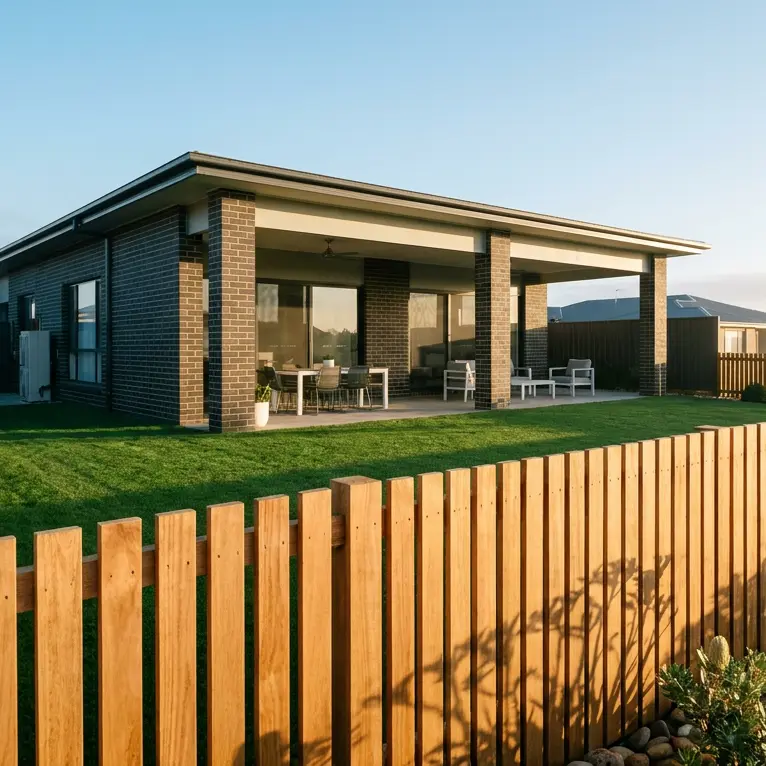
Overlapping palings with a capping rail on top give full privacy and a tidy finish.
The overlap covers gaps as the timber shrinks in dry weather.
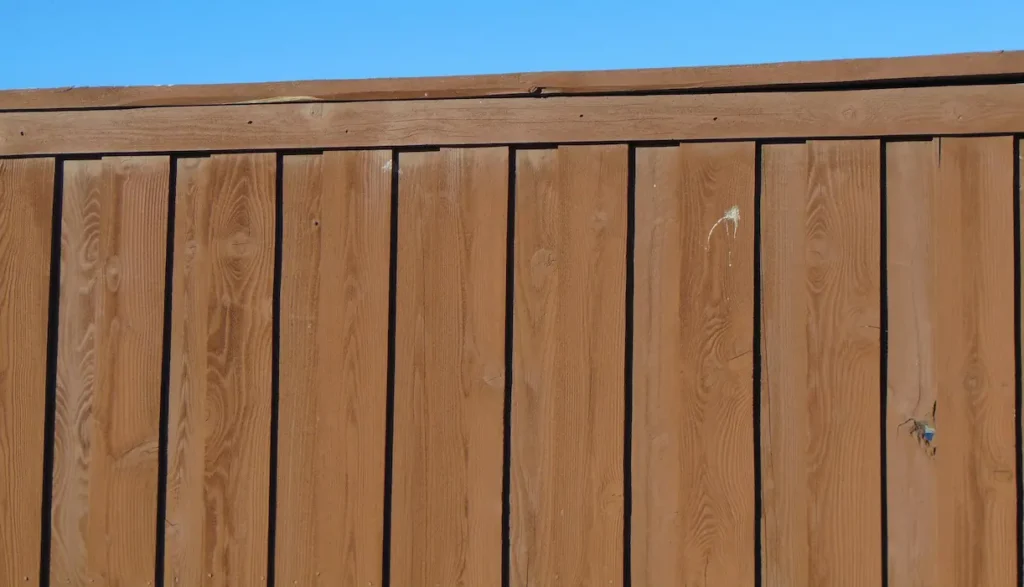
Palings sit side by side for a simpler, lower-cost boundary.
Small gaps open as the timber dries, so it gives less privacy than lapped paling.
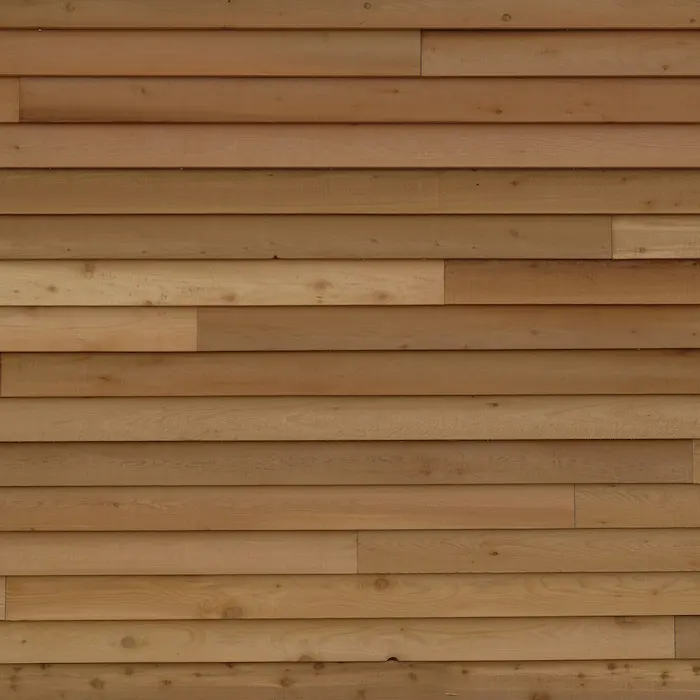
Horizontal slats suit modern homes and front fences.
Even gaps let air move while still screening the yard.
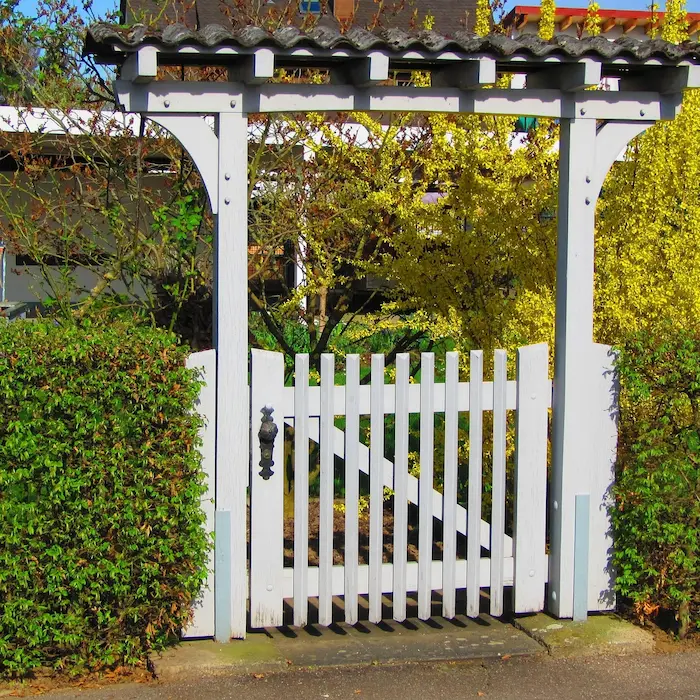
Pickets suit older cottages and weatherboard homes.
They can be left natural, stained or painted to match the house trim.
The rail side is usually less tidy, so agree with your neighbour which way it faces.
Posts can show on the face for a rustic look.
A treated plinth keeps palings off the soil and slows rot.
Steel posts with timber infill give a longer-lasting frame.
The timber you pick decides how the fence ages and how much care it needs.
| Option | Characteristics | Typical applications | Considerations |
|---|---|---|---|
| Treated pine palings | Light, even timber, chemically treated against rot and insects. | Most boundary fences. | Pine shrinks and can cup as it dries, so expect small gaps in summer. |
| Hardwood palings | Denser and harder, with a natural red-brown colour. | Fences where strength and look both matter. | Heavier and costlier, and it can split if nailed near the ends. |
| Ground-rated treated posts | Rated for in-ground contact. | Posts and plinths set in soil or concrete. | Lower-rated timber in the ground will rot early, so we use the correct rating. |
| Steel posts with timber infill | Galvanised steel uprights with timber rails and palings. | Long runs and wet ground. | The look is less traditional where the steel posts show. |
Timber is a natural product. A bit of planning helps it last.
Hot, dry summers make timber shrink and grey. A stain slows this.
Wet clay against posts and palings speeds up rot, so we keep timber up off the ground.
Treated timber resists termites, but keeping soil and mulch away from the fence still helps.
Most timber boundaries are built to about 1.8 m, matching common rules for fences.
We agree the timber, height, rail side and gate positions with you.
Holes go to depth and posts are concreted plumb along a string line.
Rails are fixed level between posts with galvanised nails or screws.
Infill is spaced to a gauge so the gaps stay even.
Capping goes on, gates are hung and we clear the site.
These are the details that keep a timber fence straight.
Plain steel nails stain and rust. We use galvanised fixings throughout.
A gauge keeps slat and paling gaps even from end to end.
Hardwood is pre-drilled near the ends to stop splits.
Cut ends of treated timber get an end-seal where needed.
We build timber fences for older homes and new builds across the city.
River-flat ground where post footings need extra care, paling, picket and slat builds.
View detailsSettled blocks where old paling fences are due for renewal, paling, picket and slat builds.
View detailsNewer estates north of the river near the university campus, paling, picket and slat builds.
View detailsCommercial sites along the Sturt Highway corridor, paling, picket and slat builds.
View detailsNewer estates on the northern growth front, paling, picket and slat builds.
View detailsStandard suburban blocks with ageing paling fences, paling, picket and slat builds.
View detailsA mix of older and newer homes in the south-east, paling, picket and slat builds.
View detailsSettled housing a few minutes from the city centre, paling, picket and slat builds.
View detailsEvery fence type we build, from steel to wire.
View serviceA steel option with less upkeep.
View serviceA compliant barrier for the pool inside a timber yard.
View serviceTougher mesh options for sites that need security.
View servicePost and wire fences for the paddock behind the house.
View serviceSlats with a timber look and no recoating.
View serviceSwap broken palings and fix leaning posts.
View serviceRemove an old timber fence and build new.
View serviceStain or paint new or weathered timber.
View serviceTimber prices depend on the species, the style and how much timber the design uses.
| Butt-joined pine | The leanest use of timber |
|---|---|
| Lapped and capped pine | More palings plus a capping rail |
| Hardwood slats | Dearer timber and more careful fixing |
Lapped paling uses more boards than butt-joined, and hardwood costs more than pine.
Request a timber fence quoteIt depends on the timber, the treatment and how it is cared for. Posts set in concrete with ground-rated timber, palings kept off the soil and a recoat every few years all extend its life.
A stain slows greying and drying in the sun. We usually suggest waiting a short while for treated pine to dry before coating. Our staining service can handle it.
Timber shrinks as it dries. Butt-joined palings open small gaps. Lapped paling hides them with an overlap.
Pine costs less and is easy to work. Hardwood is heavier, harder and has a richer colour. Both suit Wagga Wagga conditions when built and coated well.
Yes. We build timber gates on a braced frame with strong hinges so they do not sag.
Tell us the style you like and we will measure up and quote in writing.
Call +61 483 709 394 to talk it through.
Hot, dry summers and frosty winters put timber through big swings. Expect some cracking and greying over time.
Rinse dust off once or twice a year. Look for loose palings after strong winds and fix them early.
Keep sprinklers from hitting the fence every day. Constant wetting and drying speeds up decay.
We will not use untreated timber in the ground. It may save money on day one but fails far sooner.
Timber suits older homes where steel would look out of place on the street.
It is easy to repair one paling at a time, and it can be stained or painted any colour later.
It also costs less than glass or aluminium for long front fences.
If you want a fence you never have to think about, steel or aluminium will suit you better.
When Timber Is the Better Choice