

Ringlock and Hinge Joint
Prefabricated wire mesh suits sheep, goats and mixed stock.
The mesh is stretched between strainers and tied to steel posts.
Rural and farm fencing around Wagga Wagga covers stock fences, boundary lines and lifestyle block paddocks. We use wire, steel posts and timber or steel strainers.
The strainer assembly is the heart of a wire fence. We brace every corner and end so the wire stays tight for years.
Tell us the stock, the length and the ground, and we will walk the line with you.
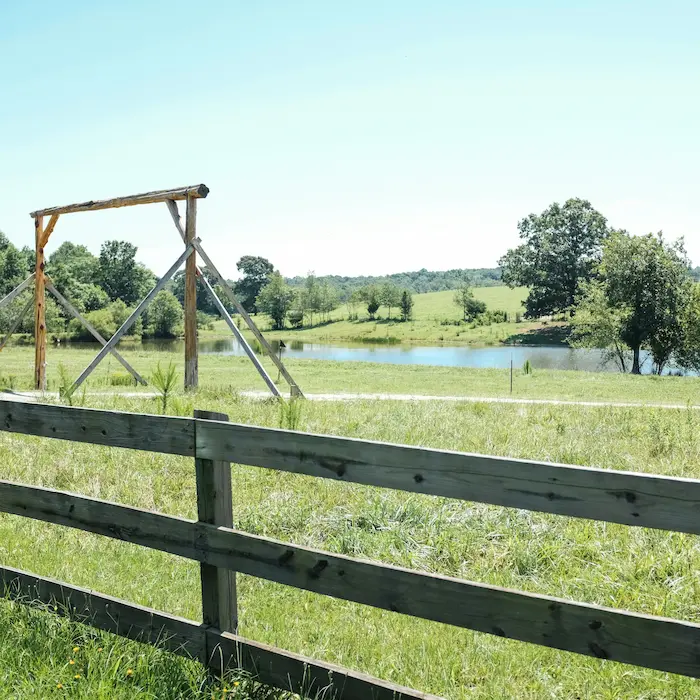
Prefabricated wire mesh suits sheep, goats and mixed stock.
The mesh is stretched between strainers and tied to steel posts.

Strands of plain or barbed wire suit cattle and long boundary lines.
The number of strands depends on the stock you run.

Box and diagonal strainer assemblies hold the tension in the wire.
We set them at corners, ends, gateways and changes in grade.
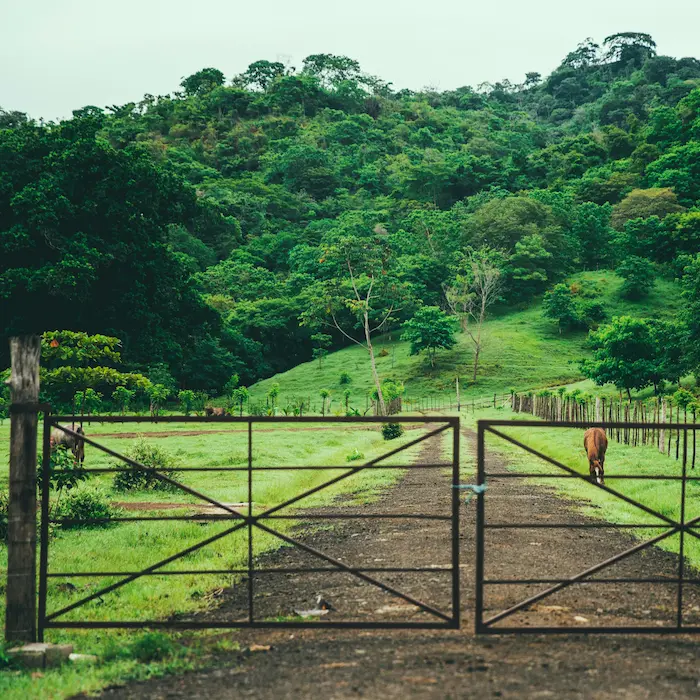
Galvanised mesh and tube gates are hung on strong posts for daily use.
Wide gates allow for tractors and stock trucks.
Long runs along a property line, often shared with a neighbour.
Subdivision fences for rotating stock between paddocks.
Plain wire, sighter wire and offset wires help keep horses from leaning on the fence.
A tidy fence that keeps stock away from the house and garden.
Wire and posts are picked for the stock, the ground and the length of the run.
| Option | Characteristics | Typical applications | Considerations |
|---|---|---|---|
| Steel star posts | Driven Y-section steel posts. | Intermediate posts along wire runs. | Fit safety caps where people or horses are near the posts. |
| Treated timber strainers | Large-diameter treated posts. | Corners, ends and gateways. | Must be dug deep and braced, or the fence slackens. |
| High-tensile wire | Strong wire that holds tension well. | Long boundary and cattle fences. | Needs proper strainers and tools to tension safely. |
| Galvanised mesh | Woven or knotted wire in rolls. | Sheep, goats and small stock. | Pick the mesh height and spacing to match the animal. |
Rural fences cover big distances. Getting the plan right saves money.
Sheep, cattle and horses each need a different fence.
We need a clear line along the boundary or the paddock edge.
Water crossings need floodgates or extra bracing.
Shared boundaries fall under the NSW Dividing Fences Act, the same as in town.
We look at the ground, the stock and the corners with you.
The line is marked and cleared enough for posts and machinery.
Strainers go in at each end, corner and gateway, then get braced.
Steel posts are driven and the wire or mesh is run out.
Wire is tensioned, tied off and gates are hung.
Rural fences fail at the strainers first. That is where we put our effort.
Strainer posts go deep and are braced against the pull of the wire.
Posts are spaced to suit the stock and the wire type.
We use wire strainers and joiners rather than over-tightening by hand.
Gates are hung level so they swing and latch without dragging.
We work on lifestyle blocks and farms on the edges of the city, as well as larger suburban lots.
Older homes on wide lots behind the river levee, rural wire and stock fencing.
View detailsA mix of industrial yards, workshops and older homes east of the centre, rural wire and stock fencing.
View detailsRecent subdivisions where rural fencing meets suburban, rural wire and stock fencing.
View detailsCorner blocks and brick veneer homes in the south-east, rural wire and stock fencing.
View detailsQuiet streets where tired timber fences are common, rural wire and stock fencing.
View detailsSee every fence type we offer.
View serviceSteel fences around the homestead garden.
View serviceTimber house yard fences.
View servicePool barriers for farmhouses and acreage homes.
View serviceMesh perimeters for sheds and machinery yards.
View serviceA neat slat front for the house paddock entrance.
View serviceFix slack wire and broken strainers.
View servicePull out worn-out wire lines and start again.
View serviceCoats for timber rails and stockyard posts.
View serviceRural pricing depends on the wire type, the number of strainers and how easy the line is to reach.
| Plain wire on open flat ground | Fewer strainers and fast post driving |
|---|---|
| Mesh stock fence | More material per metre |
| Rough or timbered country | Clearing and hand work add time |
Rocky ground, creek crossings and heavy clearing add time and cost.
Request a rural fence quoteRinglock or hinge joint mesh with a barb or plain wire on top suits most sheep. The height and mesh spacing should match your breed and lambs.
We can run offset brackets and wire for an electric setup. Connecting the energiser is up to the owner or their supplier.
The NSW Dividing Fences Act covers rural land too. Neighbours usually share the cost of a sufficient fence.
Spacing depends on the wire, the stock and the ground. We set it to suit the job rather than one rule for every fence.
Yes. We roll up old wire and pull old posts as part of the scope.
It depends on the length, the ground and the number of strainers. A short paddock fence on open flat ground may take a day or two. Long boundaries through rough or timbered country take much longer. We give you an estimate in the quote and keep you posted if wet weather holds up access to the paddock.
Let us walk the line with you and quote a fence that suits your stock.
Call +61 483 709 394 to book.
Check fences after storms and floods. Debris piled against a fence pulls posts and stretches wire.
Re-tension wire when it starts to sag. Slack wire lets stock push through and breaks faster.
Keep strainers clear of build-up and check the bracing each season.
We will not tension wire beyond what the strainers can hold. A broken high-tensile wire under load is a real injury risk.
Lifestyle blocks often mix a house yard, a horse paddock and a few small paddocks.
Each area needs a fence suited to its job. A house yard fence can be timber or steel, while paddocks use wire.
Plan gates so you can move animals between paddocks without walking them past the house.
Leave wide gates where a truck or tractor needs to get in, and place them on firm ground.
If the block floods in a wet year, keep fences out of low channels or use floodgates across them.
We help you lay out the paddocks before posts go in, so the fence works for years to come.
Fencing a Lifestyle Block