

Chainwire Mesh
Woven galvanised mesh on steel posts is a cost-effective way to close a large yard.
Barbed strands on top can be added where the site risk calls for it.
Commercial security fencing in Wagga Wagga keeps yards, depots and car parks closed when no one is on site. We build mesh and palisade perimeters with gates sized for trucks and forklifts.
We plan the run around your access points, your stored goods and your work hours. Then we stage the build to keep the site open.
Talk to us about your site and we will walk the perimeter with you.
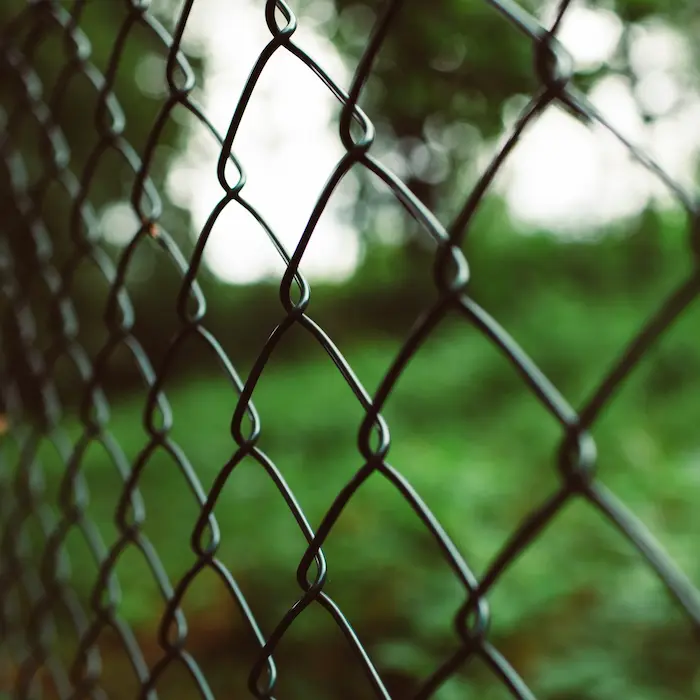
Woven galvanised mesh on steel posts is a cost-effective way to close a large yard.
Barbed strands on top can be added where the site risk calls for it.
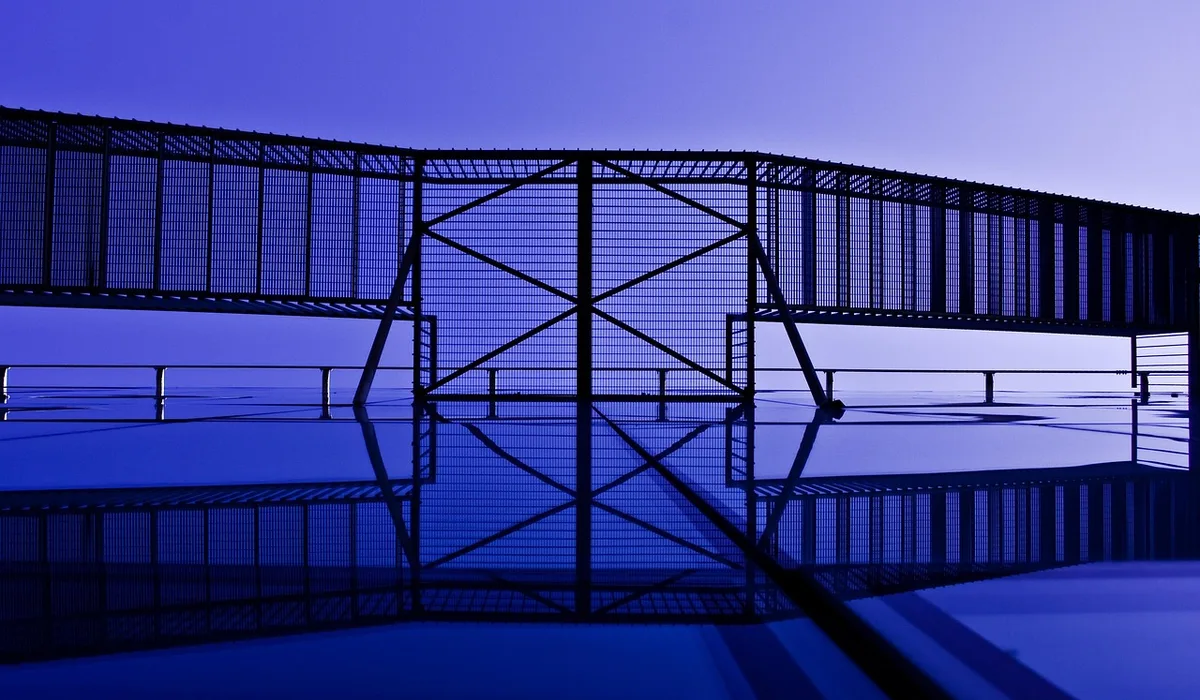
Rigid mesh panels are harder to cut and climb than woven mesh.
They suit shopfronts, schools and sites that need a neater look.

Vertical steel pales give a strong, high-security perimeter.
The pointed tops discourage climbing.

Wide gates let trucks and forklifts in and out.
Sliding gates suit sites where there is no room for a gate to swing.
The whole site is closed in, with gates at each entry point.
A neater, higher-security fence along the street while side fences stay as they are.
Fenced areas inside a site for fuel, chemicals or high-value stock.
Separate gates keep staff and visitors away from truck lanes.
The right material balances budget, risk and the look the business needs.
| Option | Characteristics | Typical applications | Considerations |
|---|---|---|---|
| Galvanised chainwire | Flexible woven mesh. | Large yards and back-of-site runs. | It is easier to cut than rigid panels, so think about the risk level. |
| Black welded mesh | Rigid panels with a powder coat. | Street frontages and public-facing sites. | Panels are heavier, so post footings must suit the panel weight. |
| Steel palisade | Heavy steel pales on rails. | High-risk sites and storage yards. | Higher material cost and a more imposing look. |
| Barbed or razor top | Wire added along the top of the fence. | Sites that face repeated break-ins. | These need careful placement near public paths to avoid injury. |
We plan the fence around how the site works every day.
We look at where trucks turn, park and load before we place the gates.
We can build in stages so access stays open while the business trades.
We check for buried services and existing slabs before digging or core drilling.
Some sites need landlord or council sign-off. We work to the approved plans.
We walk the boundary with you and note gates, risks and access needs.
You get a written scope with fence type, height, gates and staging.
We agree on work zones, parking and how we keep staff and visitors clear.
Posts, mesh or pales go in section by section.
Gates are hung, tested and handed over with keys and notes.
We aim to be easy to have on site.
We follow your site rules and sign in each day.
Open sections are closed off at the end of each day.
Heavy-duty hinges, rollers and lockable latches suit daily use.
You deal with one person from quote to handover.
We work on industrial, retail and community sites across the city.
Low floodplain blocks on the north bank of the Murrumbidgee, business perimeters and gates.
View detailsOlder brick and weatherboard homes with mature trees, business perimeters and gates.
View detailsOlder housing beside light industrial land, business perimeters and gates.
View detailsEstablished homes where a fence often meets a retaining wall, business perimeters and gates.
View detailsEstablished south-eastern streets around the local shops, business perimeters and gates.
View detailsOur full range, from homes to industrial sites.
View serviceSolid steel where a site needs privacy as well as security.
View serviceTimber frontages for offices and shopfronts.
View serviceBarriers for pools at accommodation and leisure sites.
View serviceWire fencing for larger rural sites.
View serviceSlat screens for bins and plant areas.
View serviceRepair mesh, posts and gates after damage.
View serviceReplace an old perimeter in stages.
View serviceCoats for timber screens around business premises.
View serviceSecurity fence pricing turns on the material, the height, the gates and how the site has to stay open.
| Chainwire on open ground | Lower material cost over long runs |
|---|---|
| Welded mesh frontage | Heavier panels and a neater finish |
| Palisade or large sliding gates | Heavy steel and more labour |
Night or weekend work, if needed, is listed separately in the quote.
Request a commercial quoteYes. We stage the work and keep at least one entry open. Each section is closed off before we leave for the day.
We supply and hang gates that can be automated. Wiring and power for a gate motor must be done by a licensed electrician.
Palisade and welded mesh are harder to climb and cut than woven chainwire. The right choice depends on your risk and your budget.
Yes. Posts can be core-drilled and grouted into an existing slab where the slab is sound.
Yes. We can send the quote and scope to the owner or manager for sign-off.
Many business sites use fences around 1.8 m to 2.4 m high, with barbed strands or a pointed top where the risk is higher. The right height depends on what you store, how visible the site is and any rules set by the landlord or council. We talk this through on the site walk and put the agreed height in the written scope.
Book a site walk and we will scope a perimeter that fits how your business runs.
Call +61 483 709 394 to arrange a time.
Start with the risk. A yard holding tools and fuel needs more than a car park does.
Next, think about looks. Customers see the frontage, so welded mesh often goes there with chainwire out the back.
Then plan the gates. Most problems we see come from gates that are too narrow or too light for daily use.
We will not fit razor wire where it can reach a public footpath, and we do not wire up electric gate motors ourselves.
Gate width should suit the largest vehicle that uses the site, with room to turn.
Sliding gates need a clear run beside the opening. Swing gates need clear ground in front.
Heavy gates wear hinges and rollers fast. We size the hardware for daily use, not just the gate weight.
Think about how keys are managed. A padlock that ten people share is often the weak point.
Ask us to leave conduit or a footing for a future gate motor if you plan to automate later.
We can also add a separate pedestrian gate so staff do not open the main gate each time.
Getting Commercial Gates Right